High School Job Shadowing at CERN
29 September 2026 | By
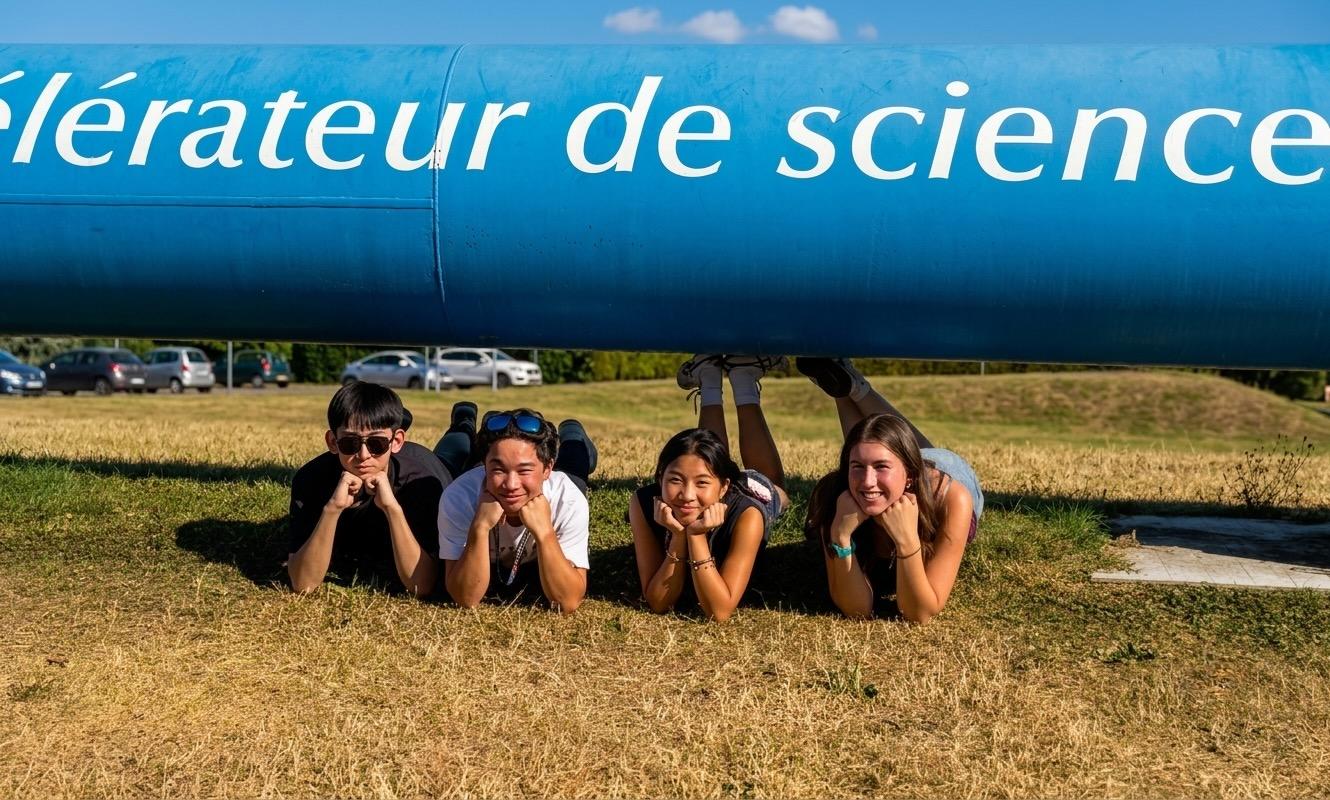
This summer, three high schoolers had the unique opportunity to step inside the world’s leading particle physics laboratory for an unforgettable two-week job shadow program. Paired with researchers and tasked with assisting in the decommissioning of the CERN ATLAS Pixel Detector, they explored world-class research facilities, attended lectures, and took part in hands-on workshops. Beyond discovering the complex science of particle collisions, the students experienced firsthand the vibrant, collaborative community that makes scientific breakthroughs at CERN possible.
From navigating CERN’s maze-like campus to working 100 meters underground, these high schoolers reflect on their extraordinary journeys.
You-Rui Yeh
Lincoln High School (Seattle, USA)
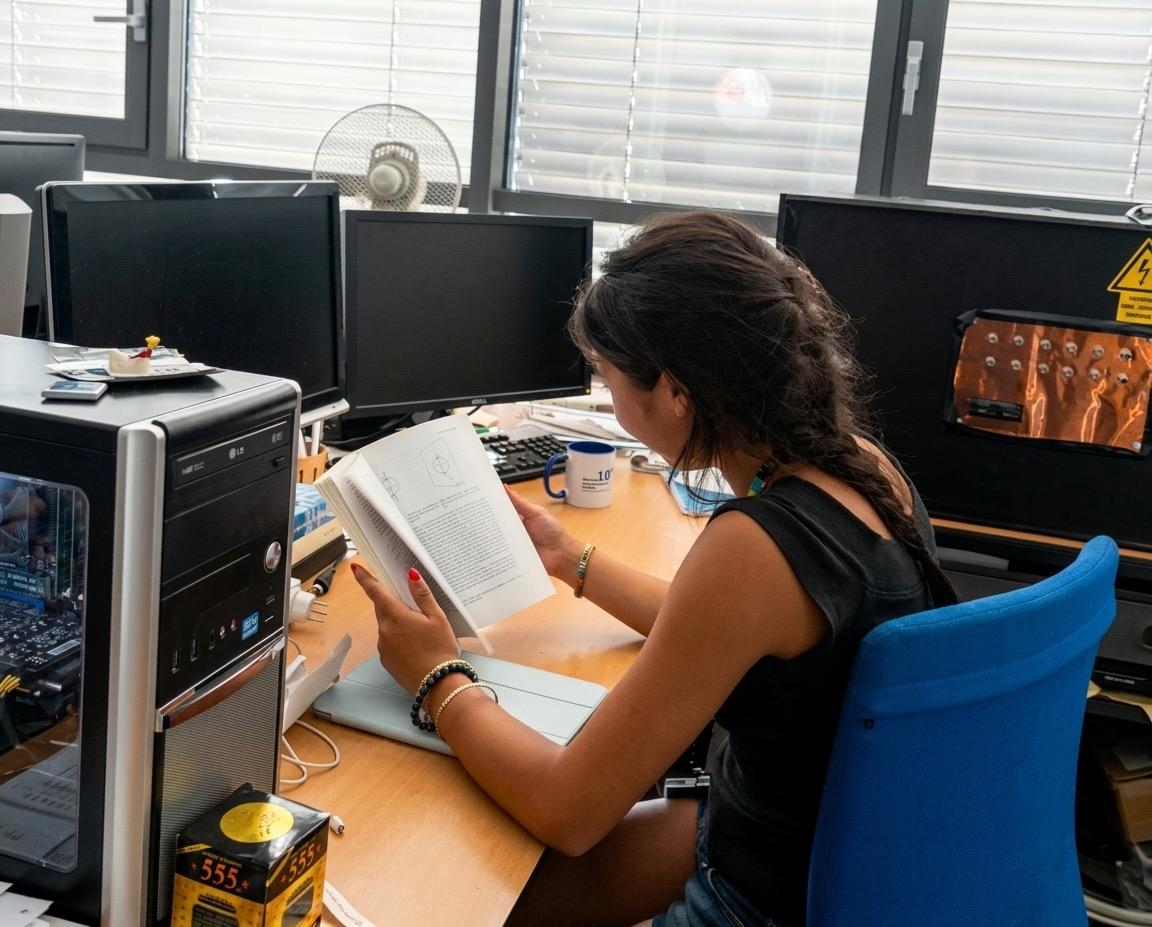
My week at CERN was spent shadowing Ella Nestingen, an undergraduate researcher from the University of Michigan searching for Heavy Neutral Leptons (HNLs). Before I even stepped foot on campus, Ella and I met digitally to review foundational particle physics texts, preparing me for the deep dive ahead.
Once on-site, my days quickly filled with research discussions, summer student lectures, and experimental facility tours. Each day concluded with progress updates alongside Giovanna Salvi, a research fellow at Michigan, culminating in a full research group meeting led by Dr. Christian Herwig.
The absolute highlight of my trip was a workshop at CERN’s Science Gateway, where we built working bubble chambers out of dry ice and isopropyl alcohol. Watching charged particles leave visible, V-shaped decay tracks brought concepts I’d only ever read about in textbooks to life right before my eyes.
Overall, my time at CERN was deeply inspiring. Seeing how many unanswered questions remain in particle physics has motivated me to stay curious, push beyond my high school curriculum, and seek out new opportunities to contribute to scientific discovery.
"What impacted me most, however, was the community. I had initially assumed scientists would be hyper-focused and isolated, but I quickly learned that CERN is a close-knit global family."
Hao-Ran Hsu
Lincoln High School (Seattle, USA)
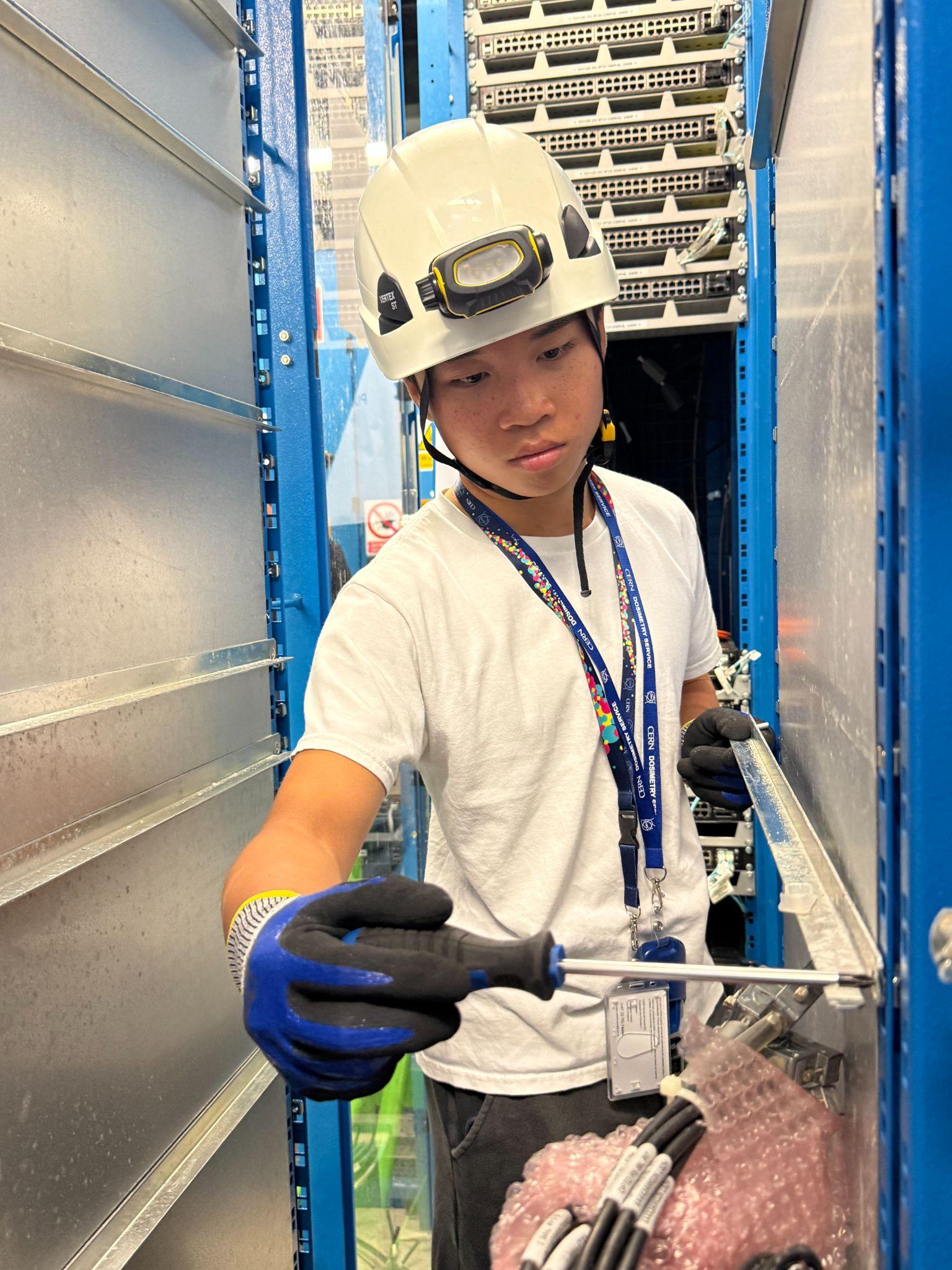
During my time at CERN, I had the privilege of shadowing University of Washington postdoctoral researcher Yue Xu. Alongside fellow student Hong Lai, I was tasked with assisting the team during the decommissioning of the ATLAS Pixel Detector—a rare, hands-on opportunity to work directly with the heart of one of the world's most sophisticated machines.
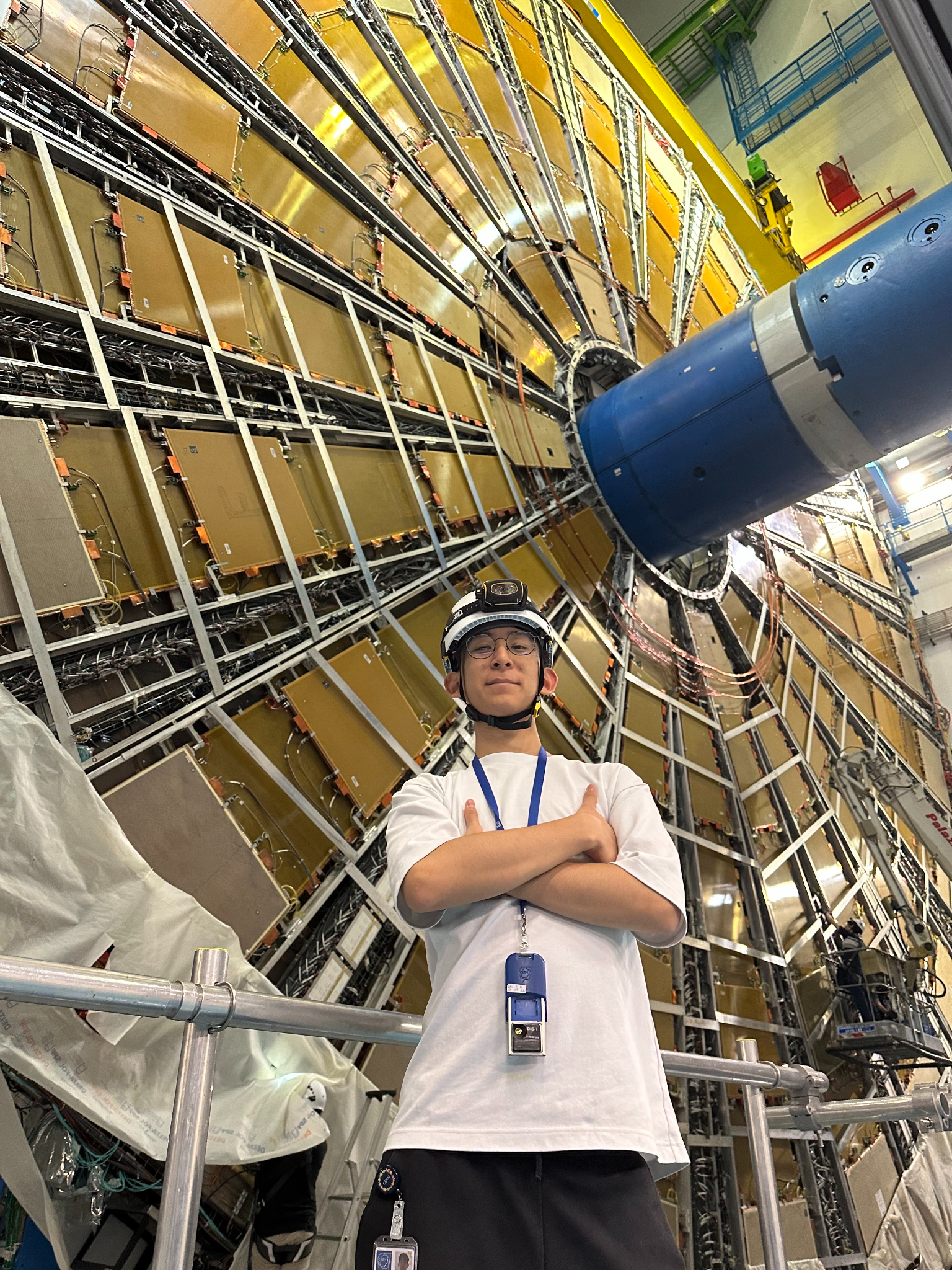
The sheer scale of everything took my breath away. Navigating 100 meters underground into the ATLAS cavern, I was surrounded by a massive, cathedral-like structure of cables, steel, and electronics. Before entering the cavern, we completed the required CERN safety training and received personal dosimeters, ensuring that every stage of our underground work followed strict radiation-protection and operational safety procedures. Assisting the engineering team in carefully extracting delicate components required immense precision; every wire pulled and task completed was crucial to preparing the detector for future High-Luminosity upgrades.
What impacted me most, however, was the community. I had initially assumed scientists would be hyper-focused and isolated, but I quickly learned that CERN is a close-knit global family. Between team barbecues and collaborative underground work, it became clear that the human element is what truly drives science. At the end of the program, I was surprised and intrigued when my personal dosimeter’s final readout showed zero, despite having spent time 100 meters underground in the ATLAS cavern. It was an unforgettable experience that showed me what a supportive, passionate workplace looks like.
Hong Lai
Kaohsiung American School (Kaohsiung, Taiwan)
My job shadow at CERN was under the inspiring guidance of my mentor Dr. Andreas Salzburger. This experience gave me a dual perspective on modern particle physics, balancing advanced software development with physical detector maintenance under the mentorship of University of Washington postdocs Dr. Yulei Zhang, Dr, Yuan-Tang Chou, and Dr. Yue Xu (whom I shadowed alongside Hao-Ran).
I spent the first half of my program working on EveNet, a machine-learning framework used to analyze collision data. My task was to help upgrade its neural network architecture to a newer Transformer model. After analyzing how data flowed through the system, I modified Python code, resolved dependencies, and tested the model using the Perlmutter supercomputer at NERSC. It taught me that scientific coding demands rigorous precision – a single shifted tensor dimension can disrupt an entire pipeline.
For the second half, I went 100 meters underground into the ATLAS cavern with Yue and the Pixel team. Assisting with the decommissioning of the innermost pixel detector components before the Long Shutdown was surreal. Between safety protocols, precise mechanical work, and team barbecues, I saw how much coordination goes into big science. Contributing to both the computational and physical sides of CERN was an experience I will never forget.
More importantly, my experience at CERN showed me that scientific progress is never only about technology. At a time when the world faces challenges such as climate change, public-health crises, energy demands, and growing concerns about the responsible use of artificial intelligence, solving complex problems requires people who can communicate across cultures, work carefully in large teams, and consider how innovation affects society. CERN demonstrated how individuals from different countries and disciplines can unite around a shared purpose, combining curiosity with responsibility. I left with a stronger interest not only in developing new technologies, but also in becoming someone who can connect technical knowledge with teamwork, leadership, and meaningful contributions to global challenges.
This extraordinary opportunity was made possible through generous institutional backing. We extend special thanks to the NSF A3D3 Institute for its support, and gratefully acknowledge funding from the National Science Foundation under Award PHY-2117997. This investment in STEM education helps prepare future scientists to advance fundamental research and lead international scientific collaborations.
About the author(s)
Hao-Ran Hsu
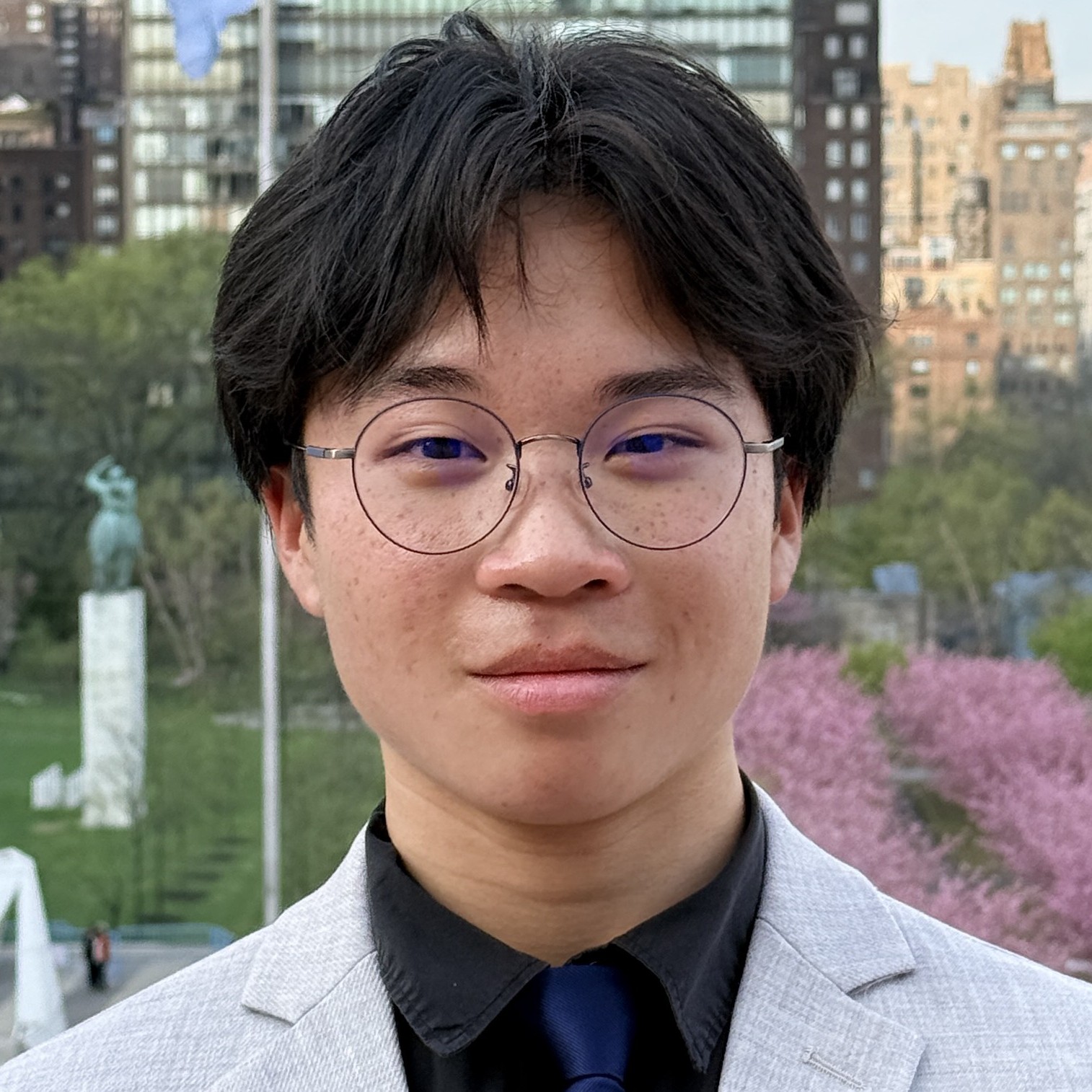
Hao-Ran Hsu is a Swiss-born Taiwanese-American senior at Lincoln High School (Seattle, USA). He is a member of the Chinese Taipei (Team TPE) ILCA sailing team and a three-time national championship bronze medalist. He is interested in organic chemistry and plans to pursue a career in anesthesiology while launching an Olympic campaign for Taiwan in the 470 class.
Hong Lai
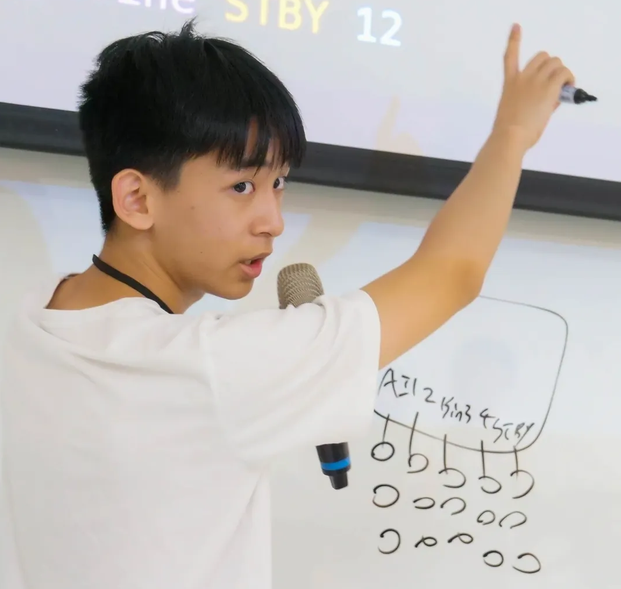
Hong Lai is a Taiwanese-American junior at Kaohsiung American School (Taiwan) interested in engineering, robotics, AI, and aerospace. His FIRST Tech Challenge team earned bronze at the Asia Pacific Open Championship, and he has explored machine learning and particle-detector development through job shadowing at CERN.
You-Rui Yeh
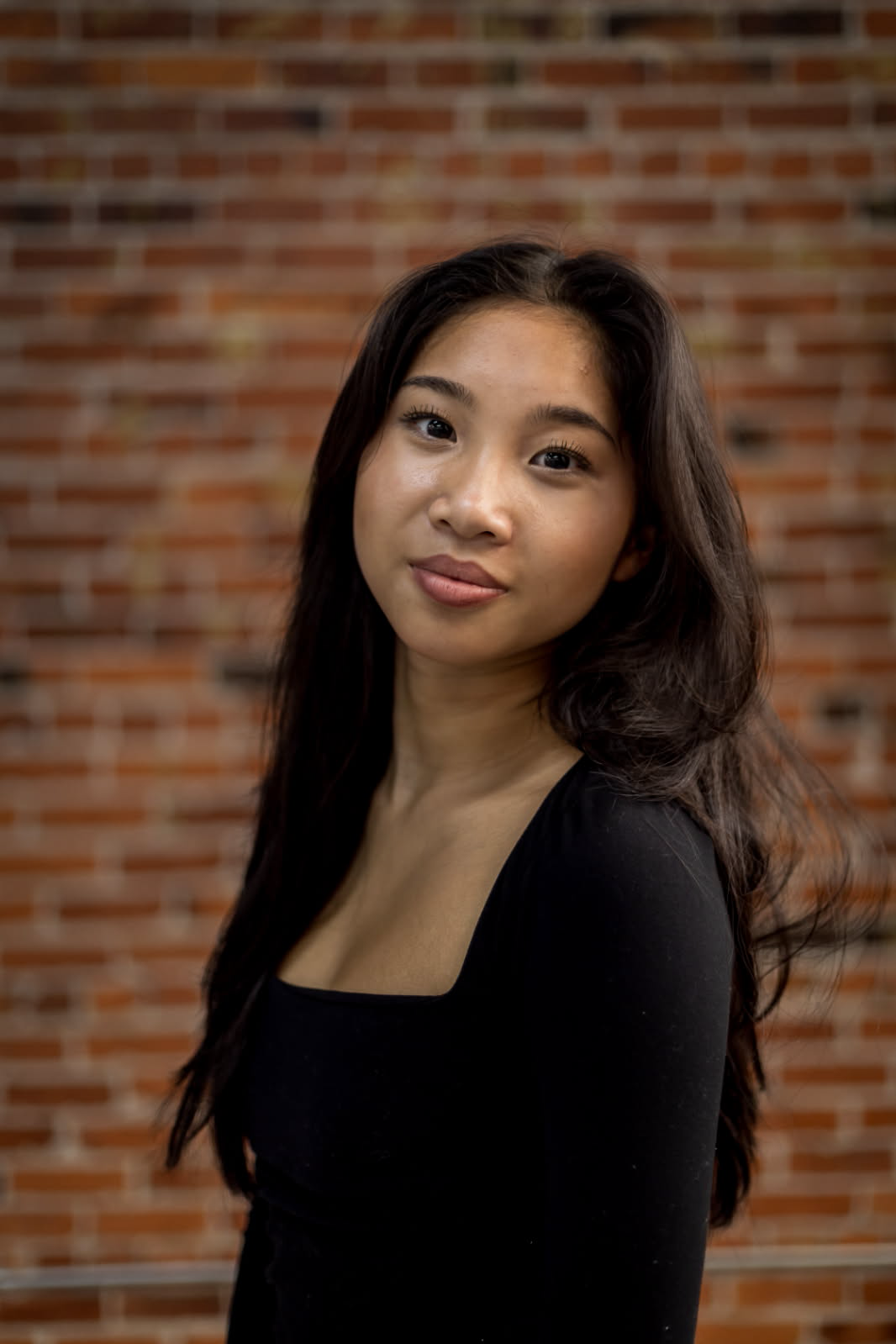
You-Rui Yeh is a Swiss-born Taiwanese-American freshman at Lincoln High School (Seattle, USA). Interested in materials science and environmental design, she conducted sustainable battery research at the University of Washington Clean Energy Institute and earned a first-place trophy at the 2026 Washington State Science & Engineering Fair. She also volunteered at the Seattle Aquarium.